Imagine a printing process that not only produces high-resolution images and bright colours, but one that is also safer and more eco-friendly.
Choosing the right printing technology can mean a big difference in the quality, durability and to sustainability of your projects.
Keep reading to find out lthe key differences between both technologies and the reasons why ZFoam has adopted latex printing.
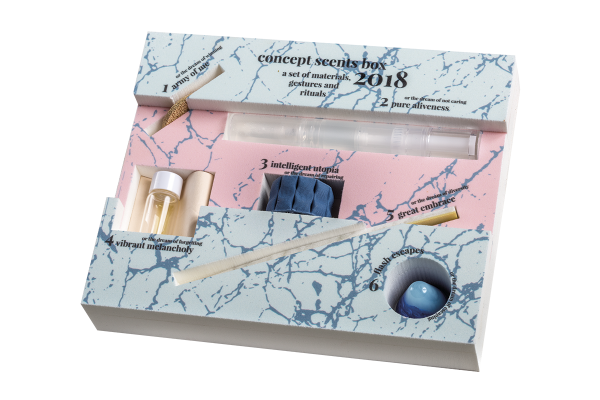
Latex printing
Latex printing technology, introduced by HP, has revolutionised the printing market thanks to its many advantages both for businesses and the environment. Since its inception, this technology has quickly grown in popularity owing to its ability to offer high-quality and durable prints on a wide variety of materials.
Unlike conventional technologies, latex inks (also known as resin inks) are water- based inks that contain latex polymers. These characteristics make latex inks more environmentally friends and do away with the need for special ventilation as they do not emit harmful volatile organic compounds (VOCs).
This advantage has led them to be quickly adopted by many sectors, for everything from billboards to interior decoration.
Advantages of latex printing
- Eco-friendly: Because latex inksare water-based, they do not contain harmful solvents, significantly reducing their environmental impact and improving occupational health and safety.. This technology allows businesses to comply with stricter environmental regulations and promote sustainable practices.
- Fast-drying: Owing to the application of heat during the printing process, latex inks dry practically in an instant. This means that prints come out dry and ready for their immediate use, speeding up work flows and enabling faster delivery times.
- Material versatility: Latex printing is compatible with a wide variety of substrates, including heat-sensitive materials such as vinyl, textiles and paper, among others. This versatility allows printers to offer a wider range of products and services to their customers.
- Durability and resistance: Latex inks are known for their high durability. They are resistant to fading, water and scratches, making them ideal for use outdoors and in demanding environments. This ensures that prints maintain their visual quality for longer, even in adverse conditions.
- High image quality: This technology produces precise images with bright colours and fine details in high resolution. This is perfect for high-quality graphics and photographs, ensuring that each print is a true representation of the original design.
- Health and safety: Owing to the absence of volatile substances, the workplace is safer for printer operators. What is more, the need for special ventilation is reduced, which can lower operating costs and improve working conditions.
Latexprinting has become a popular option for anybody seeking high-quality and durable prints with a reduced environmental impact. The ability of latex inks to dry quickly and their versatility regarding the use of materials make latex printing an attractive alternative for the printing industry.
Adopting latex technology contributes to a more sustainable future and evidences your commitment to innovation and environmental responsibility.
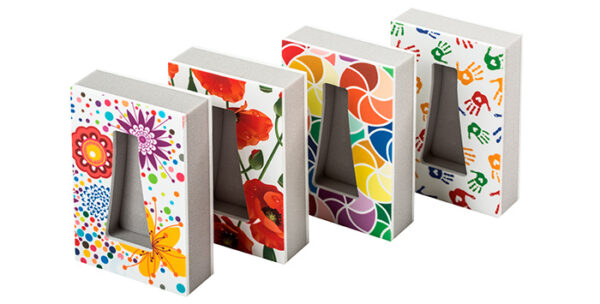
Digital printing
Digital printing has been one of the most revolutionary technologies in the field of printing since its introduction in the 1990s. This technology has allowed companies and individuals to produce high-quality prints quickly and efficiently, without the need for printing plates or complex configurations.
Digital printing uses solvent-based, water-based and UV inks . Digital printers operate in a similar way to inkjet printers, where ink droplets are deposited directly onto the material. This process is quick and suitable for short runs and customisation.
Advantages of digital printing;
- Flexibility and low volume of production: Digital printing allows short runs to be printed economically and efficiently. It is ideal for bespoke projects and on-demand production, such as business cards, brochures and photographs.
- Fast delivery times: Because no printing plates or complex configurations are required, digital printing is suitable for urgent and last-minute orders. This is particularly useful for businesses that need marketing material in a hurry.
- Economical for short runs: Digital printing is more profitable for short runs in comparison with other methods, such as offset printing.. This is because there are no high initial costs associated with the creation of printing plates.
- Previous samples: One of the great advantages of digital printing is the possibility of printing samples or proofs before starting a full production run. This ensures that the final result will be exactly as expected.
- Customisation: Digital technology allows changes to be made to a design quickly and easily. This is ideal for custom prints, where each piece can have variations, such as names, addresses or different images.
- No printing plate required: Unlike offset printing, digital printing has no need for a matrix, such as a printing plate, which simplifies the production process and offers greater flexibility.
Digital printing has transformed the way we produce and consume printed material. Its flexibility, speed and ability to customise has made it an indispensable instrument for many businesses and individuals. Although it has certain limitations in terms of durability, when compared to latex printing, it continues to be a valuable option for low volumes of production and customisation requirements.
Latex printing and its lower environmental impact
One of the main reasons that ZFoam has adopted latex printing is for its lower environmental impact. . Water-based inks do not emit odours or toxic gases, unlike some solvent-based inks used for digital printing. Latex printing is also energy efficient, which contributed to reducing our carbon footprint.
To know more about our solutions, we invite you to explore our article on thetransformation of foams in our new ZFoam catalogue, where we explain the processes of transforming technical foams, our innovations and our commitment to sustainability.
Summary: Comparison between latex printing and digital printing
| Characteristic | Digital printing | Latex printing |
| Technology and process | Solvent-based, water-based or UV inks Quick and efficient production by direct application of ink droplets. | Water-based inks with latex polymers. Fast-drying with the application of heat, without emitting harmful solvents. |
| Image quality | High resolution and vibrant colours. Sensitive to fading and environmental damage (improved with UV coatings). | Bright and precise colours, fine details. High durability, resistant to fading, water and scratches. |
| Sustainability | Emits VOCs and other pollutants; requires special ventilation. | Eco-friendly, no VOC emission. Lower environmental impact and better safety for printer operators. |
| Applications | Ideal for signage, banners, labels and customised products. Suitable for short runs and customisation. | Used in large format prints, such as signage, graphics for vehicles, murals and signposting. Compatible with a variety of substrates. |
| Durability and resistance | Varies depending on the ink and coating. May be sensitive to environmental conditions. | High durability, resistant to fading, water and scratches. Ideal for outdoor use. |
| Material versatility | Less versatility compared to latex printing. | Compatible with vinyl, textiles and paper, among others. Suitable for heat-sensitive materials. |
| Drying time | May require additional time to dry. | Fast-drying, prints ready for immediate use. |
The choice between latex and digital printing depends on the specific project requirements. Latex printing stands out for its durability, high image quality and lower environmental impact, and is ideal for large format and outdoor applications.
On the other hand, digital printing is highly flexible, economical for short runs and offers fast production, which is suitable for customisation and low volumes of production.
At ZFoam, we have adopted latex printing to offer high-quality and sustainable solutions to our customers.